Big Pun’s Capital Punishment Still Hits Hard 28 Years Later
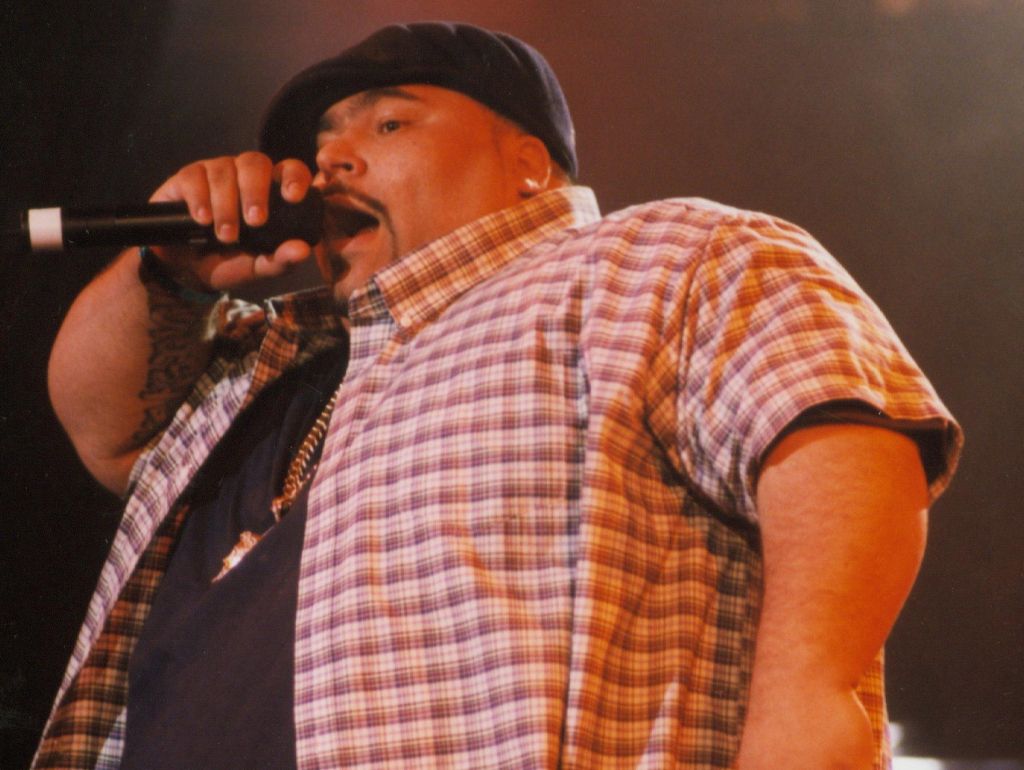
On this day in 1998, hip-hop got one of its most important debut albums when Big Pun dropped Capital Punishment — and nearly three decades later, it still sounds heavyweight. This wasn’t just a strong debut. This was a statement.
Pun came in with impossible breath control, multisyllabic rhyme patterns that still make rappers study him today, and a charisma that made technical lyricism feel street, smooth and fun at the same time. Capital Punishment became the first solo Latin rapper album to go platinum, eventually selling over 2 million copies, and that alone puts it in history books.
Then there were the singles. “Still Not a Player” with Joe was the breakout smash — peaking in the Top 25 of the Billboard Hot 100 and crossing Pun into mainstream culture. It balanced bars with bounce and helped define late-90s New York radio. “Still Not a Player” was one of the first songs I became familiar with in my house growing up. It was one of those records always around — on the radio, in the mix, in the background of family functions. Before I knew album credits or rap technique, I knew that song.
That matters. But the album ran much deeper than the hit. “Beware,” “You Ain’t a Killer,” and “Twinz (Deep Cover ’98)” with Fat Joe showcased Pun at an elite level. “Twinz” alone is still cited for its legendary “dead in the middle…” rhyme run. And let’s talk impact. Pun helped bridge hardcore lyricism with commercial appeal. He pushed Latino representation in rap forward in a major way. And his influence runs through generations — from battle rappers to mainstream MCs. Capital Punishment wasn’t just platinum. It was pivotal. It proved technical rap could move units. It gave hip-hop one of its sharpest pens. And it introduced a legend whose voice still echoes every time somebody tries to outrap the beat. Big Pun only gave us one official album while living. But what an album to leave behind. Bennett Knows.


You May Also Like