Do you have a bad skin texture? Here’s how to tell
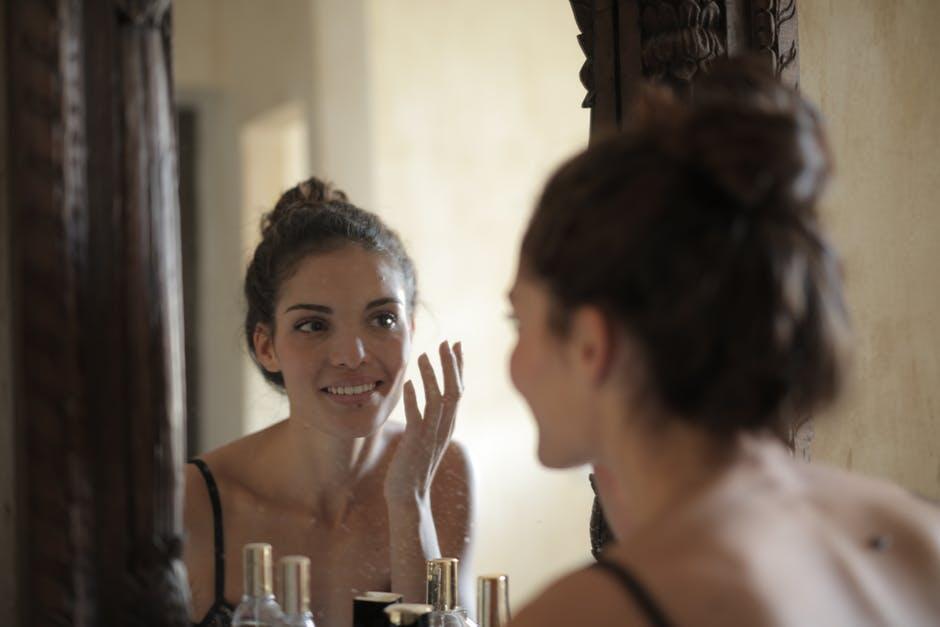
Bad skin texture is a cosmetic and medical concern for many people. You can tell that you have it if your skin feels bumpy, rough, or dry when you touch it.
First things first: can your skin ever be completely smooth and flat? No, because that would mean you have no pores! That said, you can still improve your skin texture by identifying the underlying cause of your troubles.
What Causes Poor Skin Texture?
There are plenty of reasons why you may have textured skin. These include:
- Genetics
- Sun damage
- Poor skincare
- Conditions like acne or eczema
- Dead skin cell buildup due to aging
Struggling to pinpoint the exact cause? If so, your best bet is to consult a dermatologist for a professional diagnosis. They’ll help you identify skin issues and may recommend a new skincare product or clinical procedure.
How Can You Get Flawless Skin Texture?
Once you know what you’re dealing with, addressing skin issues becomes much easier. Here are five time-tested ways to improve skin texture:
1. Vitamin C Serums
As far as uneven skin solutions go, vitamin C is the old reliable. It’s a powerful antioxidant that helps brighten the skin and fade dark spots. This makes vitamin C serums helpful for dealing with texture issues related to sun damage.
Keep in mind that vitamin C also makes your skin more sensitive. If you’re planning on using it daily, make sure to use it with sunscreen.
2. Chemical Exfoliants
Chemical exfoliation is a common method of removing dead skin cells. In doing so, you promote cell turnover and reveal fresher skin underneath. However, you’ll want to use the right exfoliant for your skin type:
- Lactic acid (AHA): mild and ideal for sensitive skin
- Glycolic acid (AHA): intense, but offers deeper exfoliation
- Salicylic acid (BHA): oil-soluble, best for oily or acne-prone skin
3. Retinoids
Retinoids are vitamin A derivatives that promote healthy skin by stimulating collagen production. They can help fix skin texture caused by acne or fine lines. Many retinoid treatments, such as retinol, are OTC medicines.
These treatments can irritate skin, so test them on a small patch first. If all goes well, start using them two to three times a week, ideally at night.
4. Microneedling
Microneedling is a minimally invasive treatment that boosts collagen. It involves puncturing your skin’s surface with many tiny needles. You’ll usually need to wait a while to see results, but this is a great way to deal with:
- Wrinkles
- Dark spots
- Fine lines
- Acne scars
5. Chemical Peels
Chemical peels involve applying a chemical solution to remove skin layers. These treatments can vary in intensity, with deeper peels needing surgical settings. Medium-depth peels can do wonders for sun-damaged skin.
With chemical peels, it’s essential to choose the right dermatologist. Here’s some info about ZO Skin Centre Houston that will tell you what to expect.
This Is How to Prevent Bad Skin Texture
Bad skin texture may not always be a medical emergency, but it’s also not something you have to live with. The above guide will help you learn more about this topic and choose the best solution for your needs.
Looking for more tips on caring for your skin in hot climates like Houston, TX? Keep reading our health-related content!



You May Also Like


