Champions for Sale: Seattle Seahawks Hit Market After Super Bowl Glory
The champagne had barely dried on the locker room carpet when the news broke.
Just days after hoisting the Lombardi Trophy under a blizzard of blue and green confetti, the Seattle Seahawks were suddenly something more than champions. They were an acquisition target.
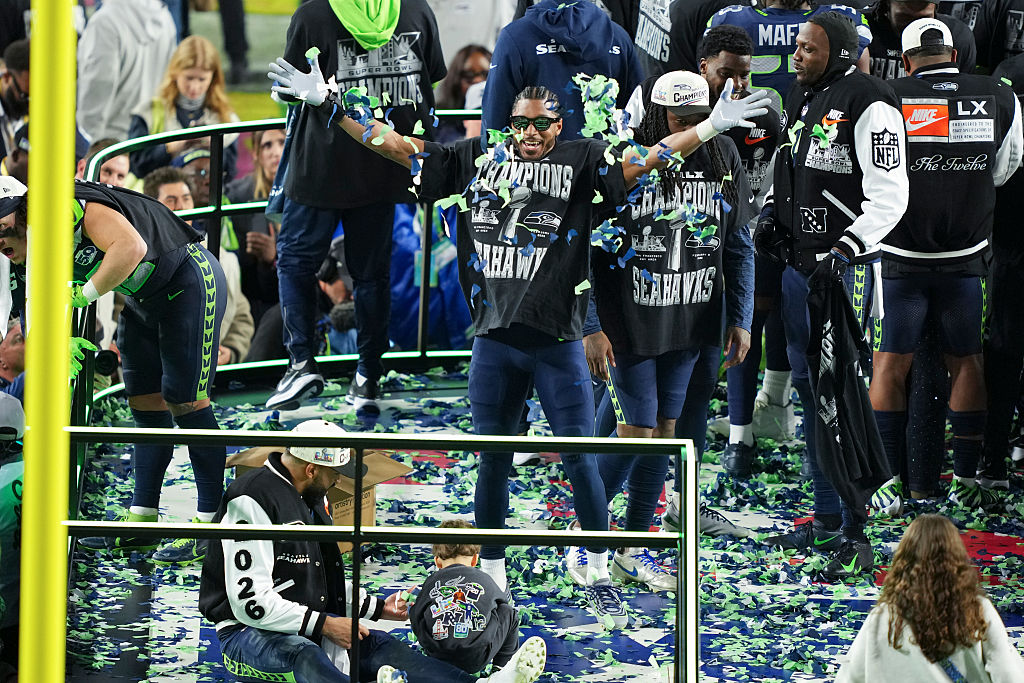
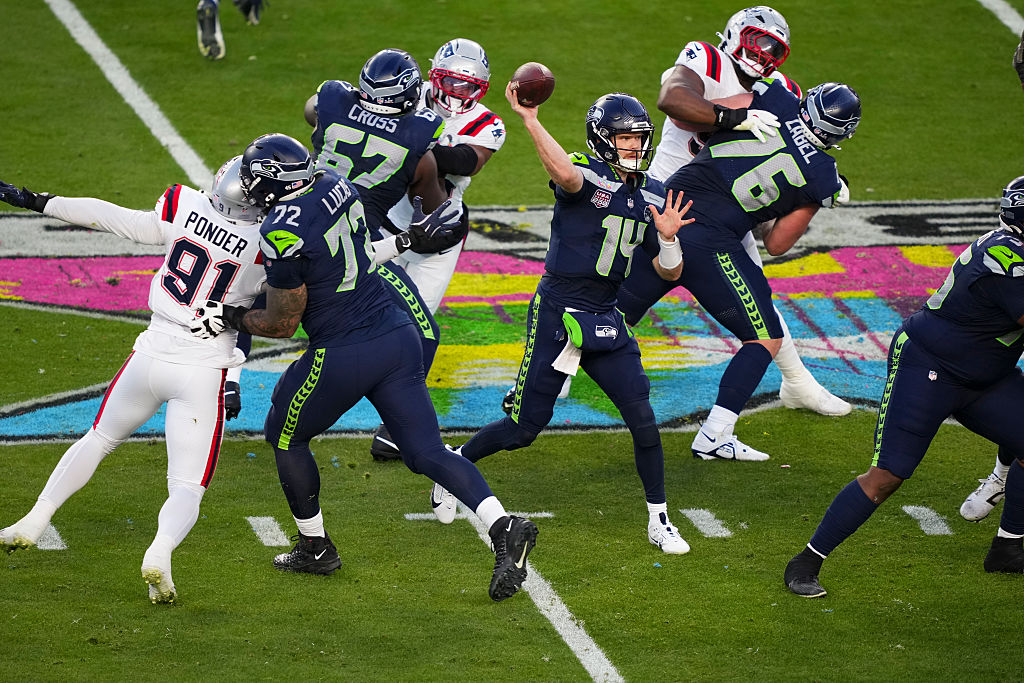
Inside the glass-walled offices at team headquarters, staff members were still replaying highlights from the 29–13 dismantling of the New England Patriots in Super Bowl LX. The victory had delivered Seattle its second championship and ignited a citywide celebration that pulsed from Pioneer Square to the waterfront. Yet even as fans bought commemorative gear and replayed every touchdown, the franchise’s future had quietly shifted course.
The Paul G. Allen Estate, honoring the wishes of its late founder, formally announced the team was for sale.

For players, the news landed somewhere between surreal and symbolic. Linebackers joked about buying shares with their playoff bonuses. Coaches insisted nothing would change. But everyone understood the gravity. It’s rare enough for an NFL franchise to hit the market. It’s almost unheard of for one to do so while still wearing the crown.
Paul Allen, the billionaire philanthropist and co-founder of Microsoft, had purchased the Seahawks in 1997, ensuring the team remained in Seattle and later helping transform it into a perennial contender. After his death in 2018, his sister, Jody Allen, assumed control under the estate’s stewardship. But Allen’s will was clear: eventually, the teams he loved would be sold, and the proceeds would fuel philanthropic causes.
Now, that moment had arrived.
Investment bankers and attorneys moved quietly behind the scenes, fielding interest from billionaires, tech titans, and consortiums eager to own a champion. NFL commissioner Roger Goodell emphasized that any sale would require approval from the league’s exclusive ownership circle—a process as political as it was financial.
For Seattle fans, emotions ran deeper than balance sheets. The Seahawks weren’t just a team. They were civic identity, Sunday ritual, and shared heartbeat.
At a downtown coffee shop, one fan summed up the city’s sentiment simply: “Owners may change,” he said, “but this team belongs to Seattle.”
For now, the Lombardi Trophy gleamed under the facility lights, reflecting both triumph and transition. The Seahawks stood at the rare intersection of legacy and possibility—champions today, and tomorrow, someone else’s dream.



You May Also Like


