Busy homeowners are looking for easier ways to achieve perfect lawn edging
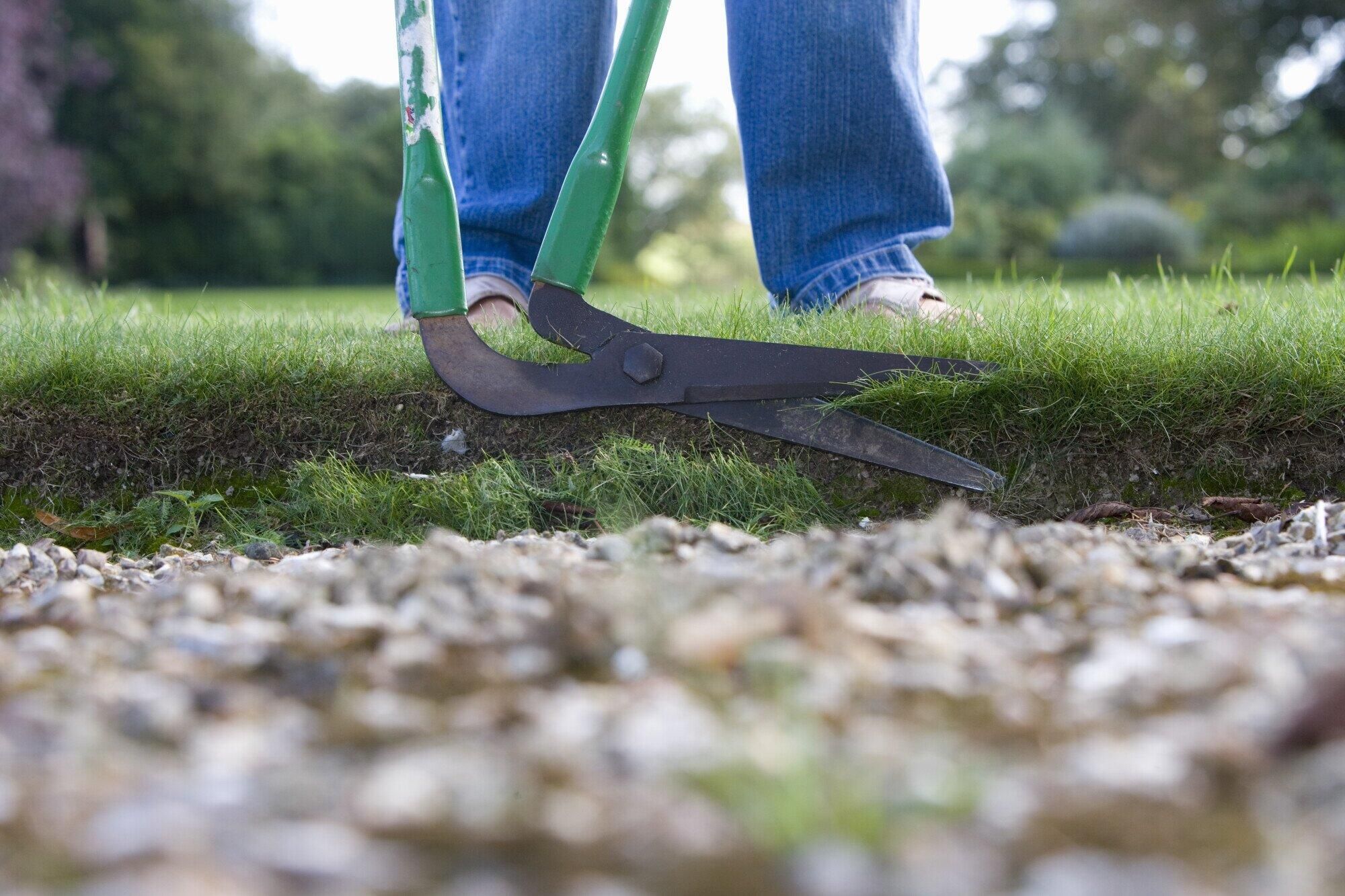
Busy homeowners can make perfect lawn edging easier by choosing low-maintenance borders, using lightweight cordless tools, and trimming edges before grass becomes heavily overgrown. Hard edging materials such as stone, metal, brick, or concrete can also reduce how often borders need work.
Americans love their lawns. According to The National Wildlife Federation, the United States is home to lawns that cover about 40 million acres.
Lawns reward proper care and maintenance. Clean borders around sidewalks, driveways, and garden beds make a yard look sharper, but the appeal disappears when edging takes too much time or effort.
So, how do you stay on top of an activity that, for busy homeowners, seems to compete with everything else on the weekend schedule?
What Is the Easiest Way to Edge a Lawn?
The easiest method is to use a powered edger or string trimmer along an existing border. Follow the line of the sidewalk, driveway, or garden bed slowly and keep the cutting head steady.
A guide wheel, adjustable head, or dedicated edging setting makes the line easier to control. These features are especially useful around curves and longer borders where keeping a straight edge by hand takes more effort.
How Often Should You Edge Your Lawn?
Efficient garden edging starts with a realistic schedule that matches the season, since grass growth changes throughout the year.
- Spring: Edge every two to three weeks as growth picks up and borders start spreading
- Summer: Edge every two to four weeks, depending on rainfall, heat, and how fast the lawn grows
- Autumn: Edge about every three to four weeks as growth begins to slow
- Winter: Edge rarely, or stop altogether, if the grass goes dormant
Grass type also matters. Spreading warm-season grasses need more attention than slower-growing varieties, while borders next to sidewalks and driveways tend to show stray growth sooner. A quick touch-up every second mow keeps the edge sharp without turning it into a separate weekend job.
The Right Tool Makes the Difference
Corded models work well near the house, but the extension cable becomes a nuisance around trees, long driveways, and larger lawns.
On the other hand, cordless lawn edging tools give you the power and runtime to edge the full yard without cords, gas, or the maintenance that comes with a gas-powered alternative.
Low-Maintenance Borders Reduce the Need for Constant Edging
Installing a physical border between grass and flower beds, paths, or driveways helps keep roots and runners from spreading into nearby areas, which is the foundation of easy lawn care.
Brick, stone, concrete, metal, and plastic edging will all create a clear barrier. Wider mowing strips save time because mower wheels can run along them without leaving much grass behind.
A well-planned border means less reshaping between mows and fewer weekends lost to lawn maintenance.
Perfect Lawn Edging Calls for Smarter Choices
Perfect lawn edging needn’t consume much of your time. Time-saving lawn care comes down to the right tool, a realistic schedule, and borders that do some of the work for you. A few smart choices upfront keep edges looking neat without turning lawn care into another time-consuming weekend project.
Explore our website for more home improvement and outdoor living ideas.


You May Also Like