Fire damage restoration: DIY vs. professional help
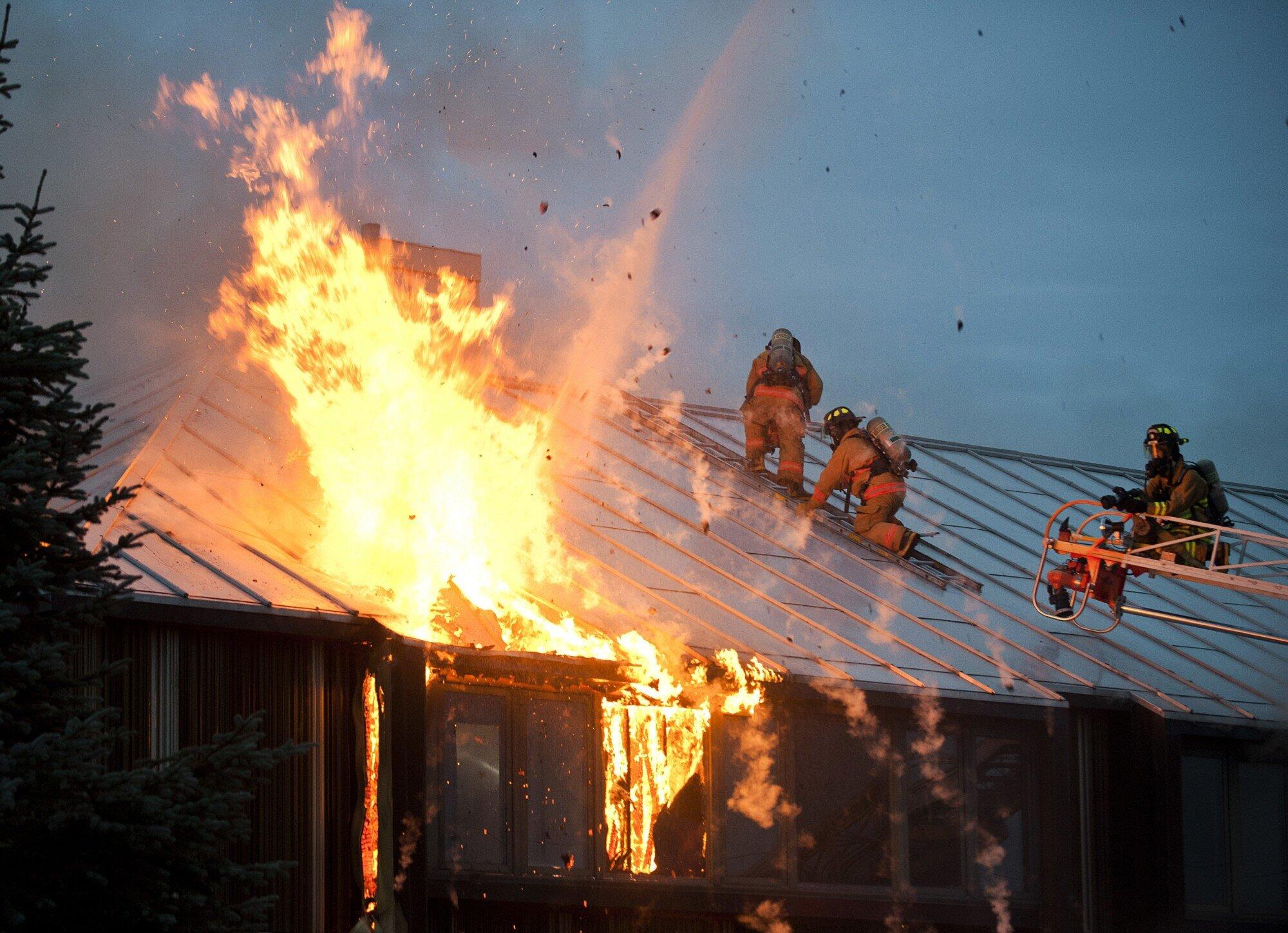
A fire can quickly devastate a home and cause extensive structural damage, even if it doesn’t destroy your whole home. It requires immediate specialized cleanup, which you may be able to do on a DIY basis if the fire damage is very small. It’s essential to understand when to call professionals, and it’s recommended that you do so when there’s obvious water damage, possible health hazards, or if you’re just unsure about safe cleanup procedures.
According to FEMA, fires caused $23 billion in damage in 2023. That damage can be linked to mold, corrosion, toxins, and ongoing odors, so it’s imperative to know what to do and if you need to call outside help.
What Goes Into a Fire Damage Assessment?
The fire damage cleanup is a multi-step process involving an inspection by professionals to check structural integrity, contamination levels, and any water damage from firefighting efforts.
These steps include:
- Testing foundation and beam stability
- Assessing smoke and soot presence
- Assessing water and chemical damage from sprinklers or hoses
- Evaluating personal belongings and furniture for savageability
- Checking for hazards like damaged electrical wiring
- Providing detailed reports containing photos and videos
What Are Some DIY Fire Cleanup Tips?
It may be safe to clean up a fire yourself as long as it’s a small, highly localized one that hasn’t affected structural integrity. An example is a contained kitchen incident with minor smoke damage or something on hard-surfaced furniture made from plastics or metals within an hour after the incident.
If you handle it on your own, always use personal protective equipment (PPE) like respirators, goggles, and gloves while surveying for hazardous materials. Properly ventilate the area by opening windows and doors.
When Should I Use Professional Restoration Services?
Call on professionals for fire and smoke damage restoration in Boulder and other locations when there’s widespread damage and extensive smoke and soot. When fire damage affects multiple rooms, it can cause severe structural issues you’re not aware of.
Fire-fighting efforts can leave behind significant water, which can breed mold if the area is improperly dried out. Smoke and ash can also enter your HVAC system and can be recirculated when you turn your unit on.
Other health hazards include:
- Mold
- Chemical residues
- Lead
- VOCs
- Asbestos
Why Safety Precautions Matter
Failure to properly clean up after a fire can result in inhaling fine ash particles, which can cause throat irritation and long-term lung damage. Wet ash can also seep into the skin and cause chemical burns, eye inflammation, and redness.
Too much exposure to toxic smoke residue can also cause headaches, confusion, and dizziness. This smoke exposure has also been linked to increased cardiac problems, according to the American Heart Association.
Take Fire Damage Seriously
Once a fire has been put out, it doesn’t mean the work is over. That’s because lingering fire damage can create more problems due to the presence of toxins, smoke, and the possibility of mold forming on wet surfaces. Keep your DIY cleanup efforts relegated to small areas and hard surfaces in one room, as anything else should be handled by professional fire restoration companies.
We hope you take this fire safety guide seriously and continue to review our website for more insightful news.


You May Also Like


