What TV crime dramas get wrong about criminal defense
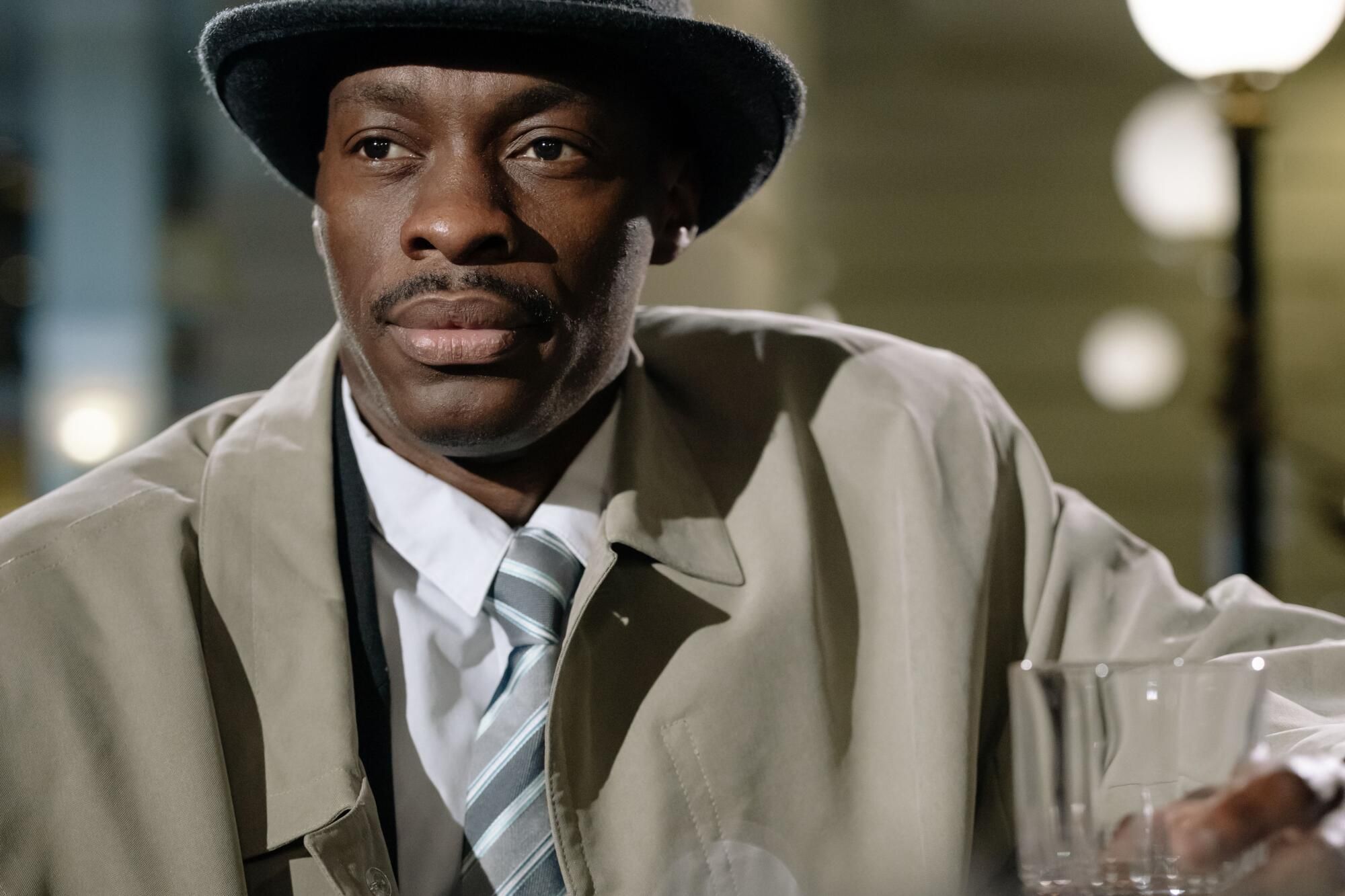
Crime dramas often misrepresent criminal defense by exaggerating courtroom surprises, forensic evidence, last-minute revelations, and the speed of legal proceedings.
Television has been trying cases for decades. It just hasn’t been getting them right!
From Law & Order to How to Get Away with Murder, popular crime dramas have built entire careers around courtroom twists, last-minute confessions, and defense attorneys who crack a case in under an hour.
These storylines have helped create criminal defense misconceptions that can be difficult to separate from reality.
It Takes More Than One Dramatic Scene to Uncover a Case
Television defense attorneys have a gift for the perfectly timed revelation. New evidence appears at the last moment, a witness breaks under cross-examination, and the truth comes out in a single scene.
Real defense work is slower and far less cinematic. It involves reviewing discovery, filing pretrial motions, interviewing witnesses, and building arguments over weeks or months. Most cases turn on preparation, not just one spectacular courtroom moment.
Courtroom Surprises Are Far Less Common Than Crime Dramas Suggest
A TV courtroom runs on ambushes. A witness says something unexpected, evidence appears from nowhere, and the entire case flips in an afternoon.
Real courtrooms operate under disclosure rules designed to limit such surprises. Evidence is exchanged before trial, witnesses may be interviewed or deposed, and legal arguments are often addressed through motions before a jury hears the case.
The truth about crime TV shows is less exciting but more procedural. Attorneys generally know much more about the evidence and arguments before trial than television suggests.
Police Evidence Isn’t Automatically Conclusive
On screen, forensic evidence is the final word — most of the time! A fingerprint, DNA match, or digital trail appears, and the mystery seems solved.
Real defense attorneys examine how evidence was collected, preserved, handled, and interpreted. Problems with chain of custody, contamination, testing methods, or analysis can affect what evidence actually proves.
Real Criminal Defense Requires Real Legal Expertise
The real criminal justice process involves far more than dramatic courtroom exchanges. Defense attorneys may spend weeks examining evidence, challenging procedures, negotiating with prosecutors, and protecting a client’s constitutional rights.
Key parts of the work include:
- Reviewing discovery for procedural and evidentiary issues
- Filing motions to challenge improperly obtained evidence
- Challenging witness credibility and forensic analysis
- Negotiating with prosecutors before trial
- Protecting constitutional rights throughout the process
Violent crimes lawyers in Yuma provide representation that may not make compelling television but can make a real difference when the consequences are serious.
Which Legal Show Is the Most Accurate?
The Good Wife and Better Call Saul are regarded as more realistic portrayals of legal work than many other popular crime series. Both show preparation, complicated legal strategy, and the gray areas that courtroom dramas often overlook.
Neither makes the profession look easy, which may be part of what makes them convincing.
The Drama Doesn’t Tell the Whole Story
Crime dramas on television are high on entertainment value, but sometimes they don’t capture what happens in real courtrooms. Evidence review, negotiations, witness interviews, motions, and careful preparation may lack the drama of a surprise confession, but they determine what happens when the stakes are real.
Visit our website for more informative and entertaining stories.


You May Also Like