Why smoke damage can be more serious than it looks
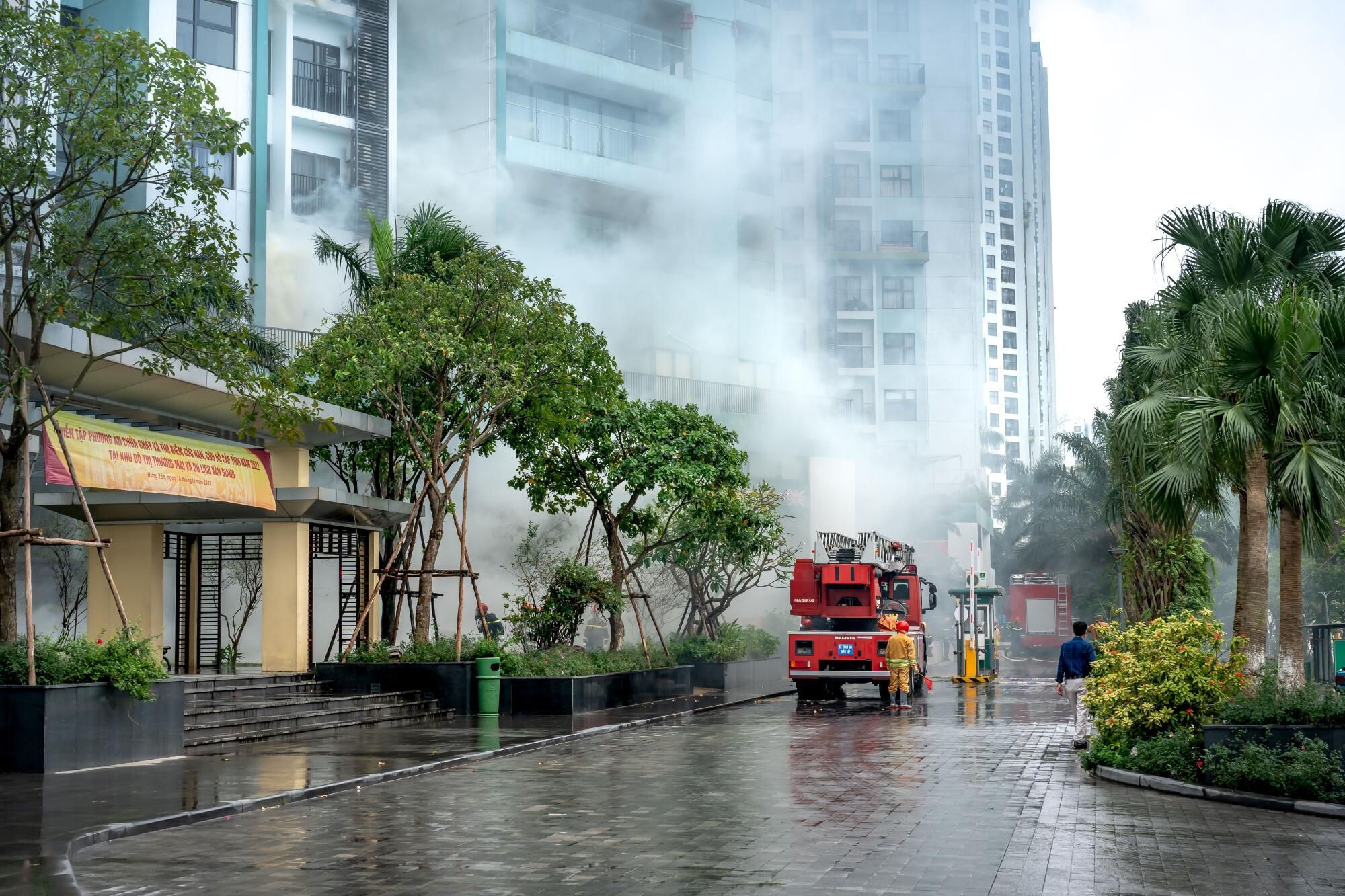
The impact of smoke damage can extend well past the room where the fire took place. Small particles of smoke can seep into walls and air ducts, while soot may deteriorate or stain household materials. The destruction may keep spreading even after every blaze is extinguished.
In 2024, firefighters responded to 329,500 structure fires in US households, according to the National Fire Protection Association. Those home fires caused 2,920 fatalities and $11.4 billion worth of direct property losses.
The data covers all the reported smoke and fire damage to the household. After a fire, there may be residual contaminants, even in rooms that look normal.
Smoke Damage Spreads Across the Household
Heat helps make smoke rise, but the airflow carries it through hallways and vents. This is the reason why smoke damage in house areas can be seen away from the initial fire site.
Smoke and soot could get into the cabinets or behind the appliances. The heating and cooling units could suck contaminated air across the house. Turning the unit back on too quickly could spread more residue into uncontaminated rooms.
Fine Particles Could Affect Your Health
Smoke includes gases and fine particles formed when materials burn. The particles could enter the lungs and irritate or cause coughing and burning eyes. The EPA states that exposure to fine smoke particles may also worsen existing heart or lung disorders.
Children and seniors are at higher risk. People with asthma or heart disease should avoid being exposed to ashes. The fabric face masks do not filter all small particles.
Soot Continues to Damage House Materials
The composition of soot varies based on the material of origin and temperature of the flames. The residue produced by plastic burning differs from that of burning wood.
Acidic soot could discolor paints and metals over time, or seep into carpets and upholstery. A quick inspection would help, since some items become less restorable when the residue stays put.
Smoke Odor Points to the Contamination
A persistent smell of smoke is a sign that the particles are trapped in porous materials. Using air spray might mask the smell for some time, but would not solve the problem. Walls and insulation might require detailed examination.
Water damage is another effect of house fires since it involves using water from firehoses or sprinklers. Wet materials could grow mold if they do not dry quickly enough.
Visible Damage Does Not Tell the Full Story
Insurance claims may depend on the extent of the repairs and the policy specifics. Homeowners dealing with a severe loss need to understand what qualifies as a total loss in Texas for house fires. Photos might not reveal contamination in walls and equipment.
Take photos and make a list of the damaged goods. The guidance on federal-level emergency management recommends not disposing of goods before making a damaged property inventory.
Take Smoke Problems Seriously After a Fire
The safest course of action would be to obtain permission from the firefighters to enter the property. Avoid touching soot with bare hands since you could force it deeper into the surface. Invite professionals to examine hidden areas if the spread is uncertain. Smoke damage could affect indoor air and personal possessions even long after house fires are over.
Visit our website for more practical home safety articles and other trending topics.


You May Also Like





