FIFA’s First World Cup Halftime Show Makes Big Debut
- The World Cup halftime show featured diverse artists from different genres and regions, creating a global celebration.
- The Super Bowl halftime show typically centers around a single major artist, while FIFA's show blended multiple performers.
- The World Cup halftime show's inclusive approach allowed for a more diverse representation of musical cultures.
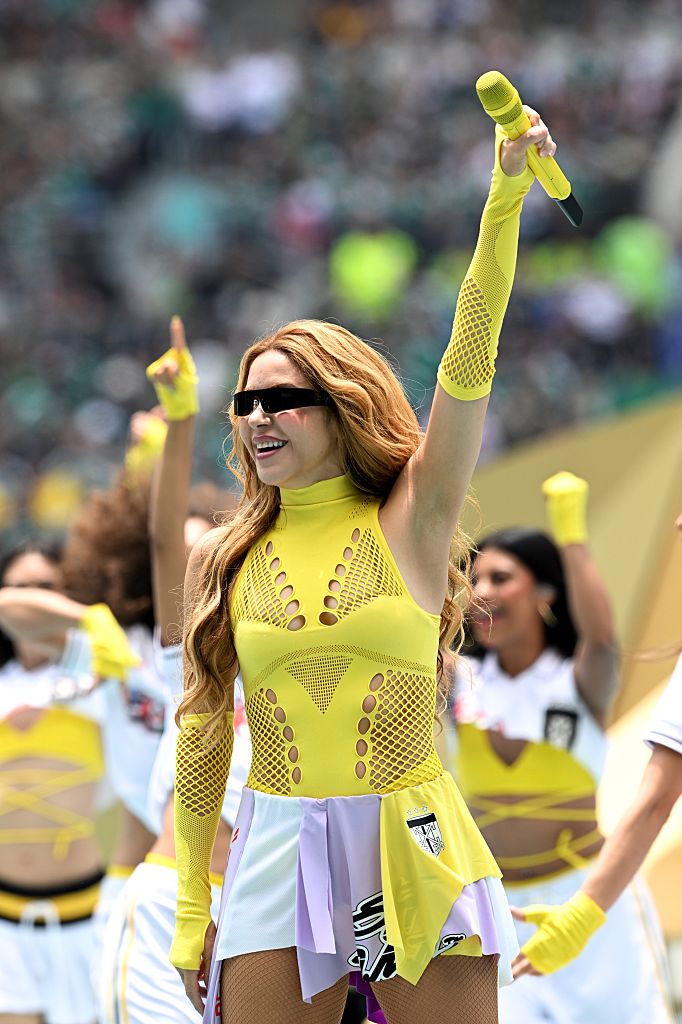
When it comes to halftime shows, the Super Bowl has always been the standard. We usually get one major artist, a few surprise guests and a condensed celebration of that headliner’s catalog. FIFA took a completely different approach for its first World Cup Final halftime show, and I honestly loved the idea behind it. Instead of centering one performer or one type of music, the production brought together major names from different genres, generations and regions of the world. That felt appropriate for a tournament built around countries gathering in one place to compete, celebrate and share their cultures. The performance was not perfect, but it immediately showed how much potential a global halftime show can have.
Madonna opened the show with “Music,” which was the perfect way to establish the tone. She is one of the biggest global pop stars ever, and beginning with a song literally celebrating the power of music made sense. The Muppets followed with a fun performance that gave the show personality and reminded viewers that the night did not have to take itself too seriously. BTS then hit the stage with “Dynamite,” representing the global dominance of K-pop and bringing another level of excitement to the stadium. Justin Bieber shifted the mood with an acoustic performance of “Everything Hallelujah,” giving the program a quieter and more emotional moment before Shakira and Burna Boy brought the energy back with “Dai Dai.” The finale featured Chris Martin, the PS22 Chorus and familiar Muppet characters coming together for a message of unity, love and hope.
What stood out to me most was the range. The show included Kermit the Frog, Miss Piggy, the Triplets Ghetto Kids from Kampala, Uganda, and young Australian performer Emmanuel Kelly alongside some of the most recognizable artists in the world. That is what separates this concept from the Super Bowl. The Super Bowl celebrates an artist’s legacy; FIFA celebrated the world. Each performer contributed a small piece to one larger production, and even though some viewers may have wanted longer individual performances, the constant movement made the show feel like a musical trip around the globe. It created a space where pop, K-pop, Afrobeats, rock, children’s choirs and family entertainment could exist together without one genre being treated as the only sound that mattered.
I would love to see the Super Bowl take inspiration from this approach one year. Imagine a halftime show that intentionally blends genres, regions and subcultures instead of asking one performer to carry the entire production. You could have Southern hip-hop, New York rap, Latin music, country, R&B, rock and international sounds all represented in one performance. My only real complaint about FIFA’s show is that hip-hop deserved a stronger presence. Burna Boy was great, but Afrobeats should not have to stand in for rap. I would have loved to see someone like Megan Thee Stallion, Doja Cat or another major hip-hop artist bring that energy and representation to the stage.
Overall, FIFA set a strong foundation for what these halftime shows can become. There will always be arguments about who should have performed, which songs should have been longer and whether the production flowed perfectly, but the concept worked. The first show felt inclusive, ambitious and genuinely international. It understood that the World Cup belongs to more than one country, one audience or one musical culture. I am already excited to see how FIFA builds on this idea moving forward because the possibilities are endless. The Super Bowl may still own the most famous halftime stage in America, but FIFA just proved that when the whole world is invited, the show can become something even bigger. Bennett Knows


You May Also Like





