Jay-Z Lit Hip-Hop Up Again… But Did He Contradict Himself?
- Rap's competitive DNA, beyond just numbers and charts, drives greatness.
- Jay-Z's stance on rap beef contradicts his platforming of diss tracks.
- The Jay-Z vs. Drake debate centers on legacy versus current relevance.
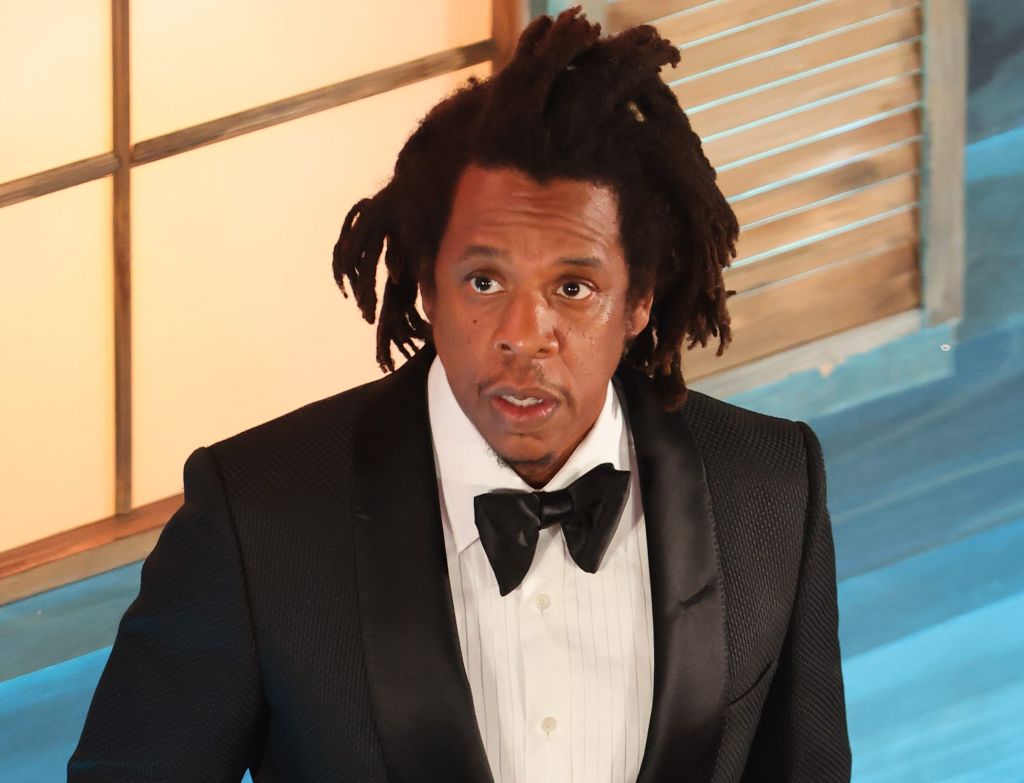
Every once in a while hip-hop gets one of those moments that reminds everybody why this culture became what it became. Not because of streaming numbers. Not because of chart placements. Not because of playlists. But because somebody grabs a microphone, says something uncomfortable and suddenly the entire internet is forced to pick a side. That’s exactly what happened after Jay-Z’s freestyle at Roots Picnic.
The reaction was immediate and honestly predictable. Half the internet crowned Hov again and said this is why he’ll always be one of the greatest to ever do it. The other half started replaying old interviews and asking whether this whole thing completely contradicts what Jay himself has been saying lately about rap beef and how far things can go. I’ll be honest — I landed somewhere in the middle because while I enjoyed the moment, I also walked away with questions.
First though, let’s give credit where credit is due. Hip-hop was born out of competition. We can romanticize the golden eras all day, but one thing that has always existed is the desire to outrap the next person. Battle rap, diss records, proving your pen — that’s part of the DNA of this genre. Personally, I don’t think numbers alone decide greatness. You can sell records, you can dominate streaming, you can go viral, but eventually the culture asks one question: can you rap? That’s why seeing somebody like Jay-Z, who already has the money, the legacy and the respect, still step outside and remind people he can rap felt exciting to me.
But where things got messy for me is consistency — and honestly this was my immediate reaction the second I saw everybody celebrating the freestyle. Not too long ago, Jay-Z sat down and talked about modern rap beef and basically questioned whether battle rap in its current form still serves hip-hop the same way it once did because things get too personal, people go too far and it becomes bigger than music. When I first heard that, I remember immediately calling BS — not because I disagree with protecting boundaries, but because I thought… wait a minute. If that’s truly how you feel, then why allow Kendrick Lamar to perform “Not Like Us” at the Super Bowl? Jay-Z literally helped reshape the NFL halftime show era through Roc Nation’s partnership. You don’t get to platform one of the biggest diss records in history on arguably the biggest stage in entertainment and then turn around and act uncomfortable with battle rap culture. To me that was always the contradiction. Either rap competition is healthy and belongs in the culture or it doesn’t. But once you co-sign it at the Super Bowl level, I personally think that conversation changes.
And yes, let’s talk about Nicki Minaj because I already know people are waiting for that section. Everybody knows I’m a Barb and I’m not pretending otherwise. Nicki has absolutely had smoke for Jay-Z publicly over the last several months — business conversations, industry politics, Roc Nation, who gets protected and who doesn’t. So was Jay supposed to just sit quietly forever? No. I actually expected him to respond eventually. My issue wasn’t that he responded — my issue was that I didn’t think those bars hit the way people are pretending they did. Jay’s strongest moments have always felt effortless and surgical. These felt more reactionary than legendary.
Ironically, where I thought Jay sounded strongest wasn’t with Nicki — it was with Drake. And what made that section interesting is there was actual context there. Drake’s current No. 1 record “Janice STFU” includes the line “the jig is up,” which a lot of people interpreted as a double entendre aimed at older rap gatekeepers but also specifically at Jay-Z — Jigga. Basically saying your era is over, your run is done and the next generation has taken over. So when Jay responded, I didn’t hear somebody saying “I’m bigger than Drake.” I heard somebody saying, “You can’t tell me my run is over while I still own my catalog, own my business and still move culture.” That angle felt sharper because it wasn’t just old man versus young guy energy — it was legacy versus relevance. Drake’s argument is that dominance matters and the current moment belongs to him. Jay’s argument is that ownership, longevity and staying power matter more than temporary numbers. That’s a way more interesting debate than people are giving it credit for.
At the end of the day, I’m glad this happened. Hip-hop needed something besides first-week projections and passive-aggressive Instagram captions. Jay-Z reminded people why bars still matter. Drake reminded people current dominance still matters. Nicki reminded people she’s never going to stay quiet. And the fans reminded everybody why rap discourse is still undefeated. Whether Jay contradicted himself or not, one thing is true: he got us talking again. And maybe that was the whole point. Bennett Knows.


You May Also Like