The hidden cost of old windows in Texas heat and humidity
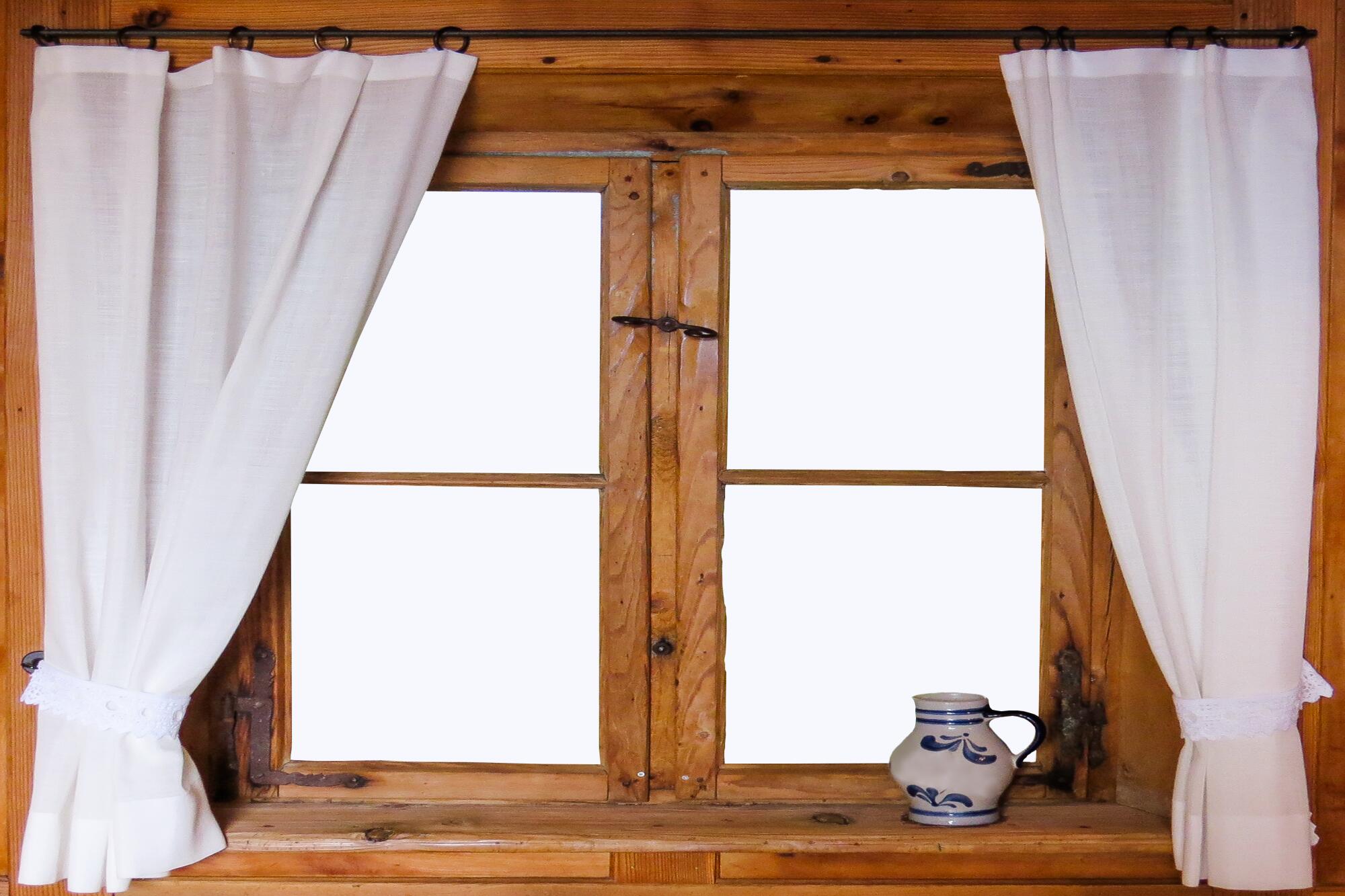
Old windows in Texas do more than just make a house look bad. They also cause higher energy bills, moisture damage, faded furniture and other materials, and reduced home value and buyer appeal.
The Guardian reports that 100 F days are common in Texas summers, but extreme hot weather is happening more throughout the year. This has detrimental effects on people’s houses, and it’s not just aesthetics, either.
The Texas heat and humidity can significantly impact old windows, and it’s costing homeowners in the following ways.
Are There Higher Energy Bills From Constant HVAC Strain?
Old windows are one of the biggest reasons homeowners struggle with high cooling costs. The following allow outdoor heat to enter the home much more easily:
- Aging frames
- Worn seals
- Single-pane glass
AC systems have to work overtime just to maintain a comfortable indoor temperature. They have to remove both heat and moisture from the air in humid regions, too.
The constant strain can increase monthly utility bills significantly while also shortening the lifespan of the equipment. Relying on Best Buy Windows & Siding for energy-efficient Texas window replacements can reduce unnecessary energy loss and improve indoor comfort.
Moisture Damage and Mold Growth Around Window Frames
The heat and humidity impact on old windows is that moist air can seep through small cracks and gaps around deteriorating frames, and this can lead to condensation buildup in these places:
- Inside walls
- Along trim
- Near window sills
This trapped moisture can cause:
- Wood rot
- Peeling paint
- Warped materials
- Mold growth
Homeowners may not even notice the issue until the damage is extensive because mold often develops behind walls or underneath window trim. Beyond structural concerns, mold and excessive moisture can negatively affect indoor air quality and aggravate allergies or respiratory conditions.
Faded Furniture, Flooring, and Interior Materials
Intense Texas sunlight can cause damage to interior spaces over time. Older windows often lack modern UV-protective coatings, which help block harmful rays from entering the house. Flooring, furniture, curtains, rugs, and artwork can begin to fade, discolor, or deteriorate prematurely.
These gradual effects may not seem serious at first, but replacing damaged furnishings and refinishing flooring can become surprisingly expensive. Modern energy-efficient windows with low-emissivity coatings can help reduce UV penetration while still allowing natural light indoors. This can help preserve the condition of interior materials.
Reduced Home Value and Buyer Appeal
Outdated windows can impact a home’s resale value, especially in competitive Texas housing markets. Potential buyers often notice signs of aging windows immediately, including:
- Condensation between panes
- Difficulty opening or closing frames
- Drafts
- Visible wear around seals
These issues may signal larger maintenance concerns and can make buyers worry about future utility costs or upcoming replacement expenses. This means that older windows can become a sticking point during negotiations, leading to lower offers or repair requests before closing.
Replace Old Windows Promptly
Old windows don’t just look bad; in the Texas heat and humidity, they can create added costs for homeowners. They can also lower the curb appeal of properties, so those interested in future sales should invest in new windows promptly.
Check out the rest of our pages if you’re interested in finding more articles.


You May Also Like


