How indoor air quality is influencing heating appliance choices
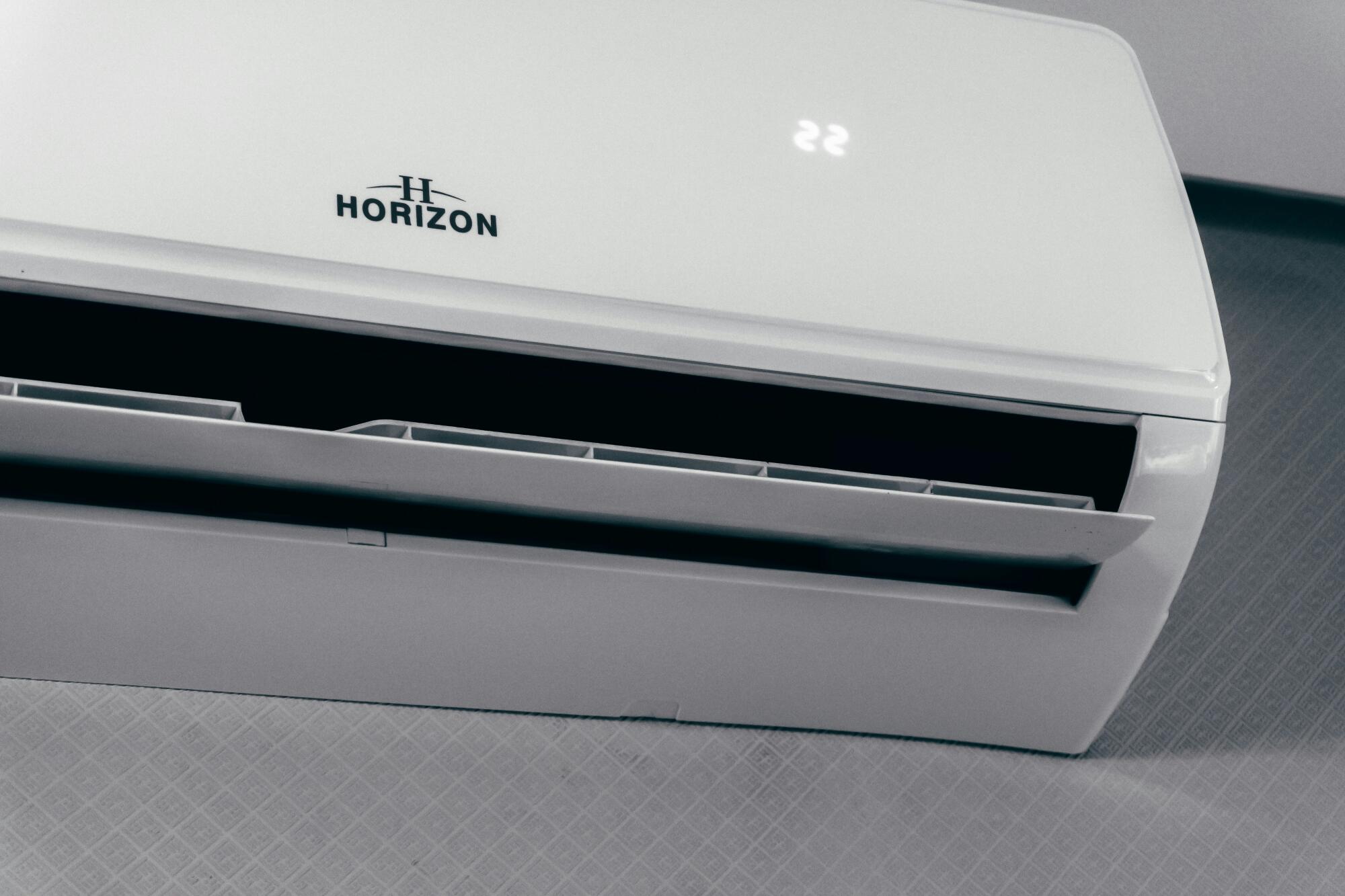
Indoor air quality is influencing heating appliance choices since homeowners are prioritizing low-emission systems, and there’s a growing demand for better ventilation features. Heat pumps are also becoming a popular, health-conscious option, and smart heating technology is supporting cleaner indoor air.
The U.S. Department of Energy says that the average American spends $2,000 on energy annually. This huge investment means that every decision counts, and homeowners are now weighing up indoor air quality when choosing heating systems.
Here are the reasons why air quality and heating are so interlinked.
Why Are Homeowners Prioritizing Low-Emission Heating Systems?
Indoor air quality has become a major factor when homeowners choose new heating appliances since traditional systems that rely on combustion can release pollutants, such as:
- Carbon monoxide
- Nitrogen dioxide
- Fine particulate matter
More awareness is growing around respiratory health and long-term exposure to indoor pollutants, especially the impact of air quality, so many people are moving toward low-emission alternatives like electric heat pumps and sealed combustion furnaces. These systems are designed to minimize contaminants while maintaining comfortable indoor temperatures.
The Growing Demand for Better Ventilation Features
Modern heating appliances are now designed with ventilation and filtration in mind for a better indoor environment health. Homeowners understand the connection between airflow and indoor air quality, as poor ventilation can trap the following inside a home:
- Moisture
- Dust
- Pet dander
- Combustion byproducts
Consumers now want to buy fireplace pellet stove insert products and other systems that integrate:
- Air filtration
- Humidity control
- Fresh air exchange features
For example, high-efficiency furnaces with sealed combustion technology are gaining popularity because they draw air from outside rather than using indoor air for combustion. This reduces the risk of pollutants circulating in the home. Heating systems can even work alongside whole-home air purifiers or HEPA filtration systems.
Are Heat Pumps Becoming a Popular Health-Conscious Option?
Heat pumps are now becoming a popular option since they have a positive impact on indoor air quality. They operate without on-site combustion, so they don’t produce indoor combustion gases or fumes.
Many heat pumps also include advanced filtration systems that help remove:
- Allergens
- Dust particles
- Other airborne contaminants
These systems can provide both heating and cooling, too, so households can enjoy year-round comfort while supporting better air circulation throughout the home.
Smart Heating Technology Is Supporting Cleaner Indoor Air
Many modern heating appliances now include sensors and automated controls that monitor the following in real-time:
- Humidity levels
- Airflow
- Air quality
They can automatically adjust operations to maintain healthier indoor conditions while maximizing energy efficiency. Smart thermostats can also remind homeowners when filters need replacement, and this can help systems continue operating effectively and reduce the buildup of dust and allergens.
Some integrate directly with indoor air quality monitors, too. This allows homeowners to track pollutant levels from their smartphones.
Indoor Air Quality Influences Purchasing Decisions
Homeowners are becoming increasingly concerned about indoor air quality, which influences their purchasing decisions for heating appliances. They want systems that warm the house efficiently and contribute to a cleaner and healthier indoor environment, too.
If you liked this article, then browse the rest of our site to find more like it.


You May Also Like


