Snap Programs Shifts Toward Healthier Eating Habits
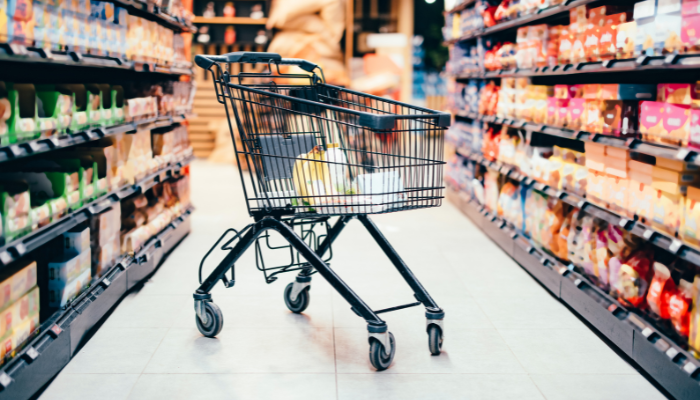
The U.S. Department of Agriculture is rolling out new rules for stores that accept SNAP (food stamp) benefits, and the changes could reshape what shows up on grocery shelves across America — including more fresh fruits, vegetables, dairy, and proteins.
Under the updated policy, retailers that want to keep accepting SNAP must now carry a wider range of “staple foods,” including specific minimum varieties in categories like fruits and vegetables, grains, dairy, and protein. Officials say the goal is to reduce empty-calorie options and improve access to healthier groceries in low-income communities.
The USDA says stores will now need to stock multiple options across core food groups instead of barely meeting minimum requirements. That means convenience stores and smaller retailers may no longer rely heavily on processed snacks — they’ll need to offer more real food options like fresh produce, milk, eggs, and meats.
The agency says the push is about improving nutrition and making sure SNAP benefits are used in ways that support healthier diets.
What This Means in Plain English
For SNAP users and everyday shoppers, this could lead to:
- More fresh fruits and vegetables in local stores
- Better access to dairy, grains, and protein options
- Fewer stores relying mostly on processed snacks
- More pressure on small retailers to upgrade inventory
SNAP benefits already allow purchases like fruits, vegetables, meat, dairy, bread, and cereals — but exclude items like alcohol, tobacco, and hot prepared foods.
Why It Matters
Supporters say this is a step toward healthier communities and better nutrition in areas where fresh food access has been limited for years. Critics argue it could create challenges for small stores that may struggle to meet the new stocking rules.
Still, the direction is clear: SNAP is shifting toward not just food assistance, but also influencing the quality of food available in underserved neighborhoods.
Bottom Line
If these rules stay in place, grocery stores that accept SNAP may be required to bring in more fresh produce and healthier staples — potentially improving food options for millions of Americans across the country.


You May Also Like





