Water scarcity in 2026: The expanding impact of drought conditions
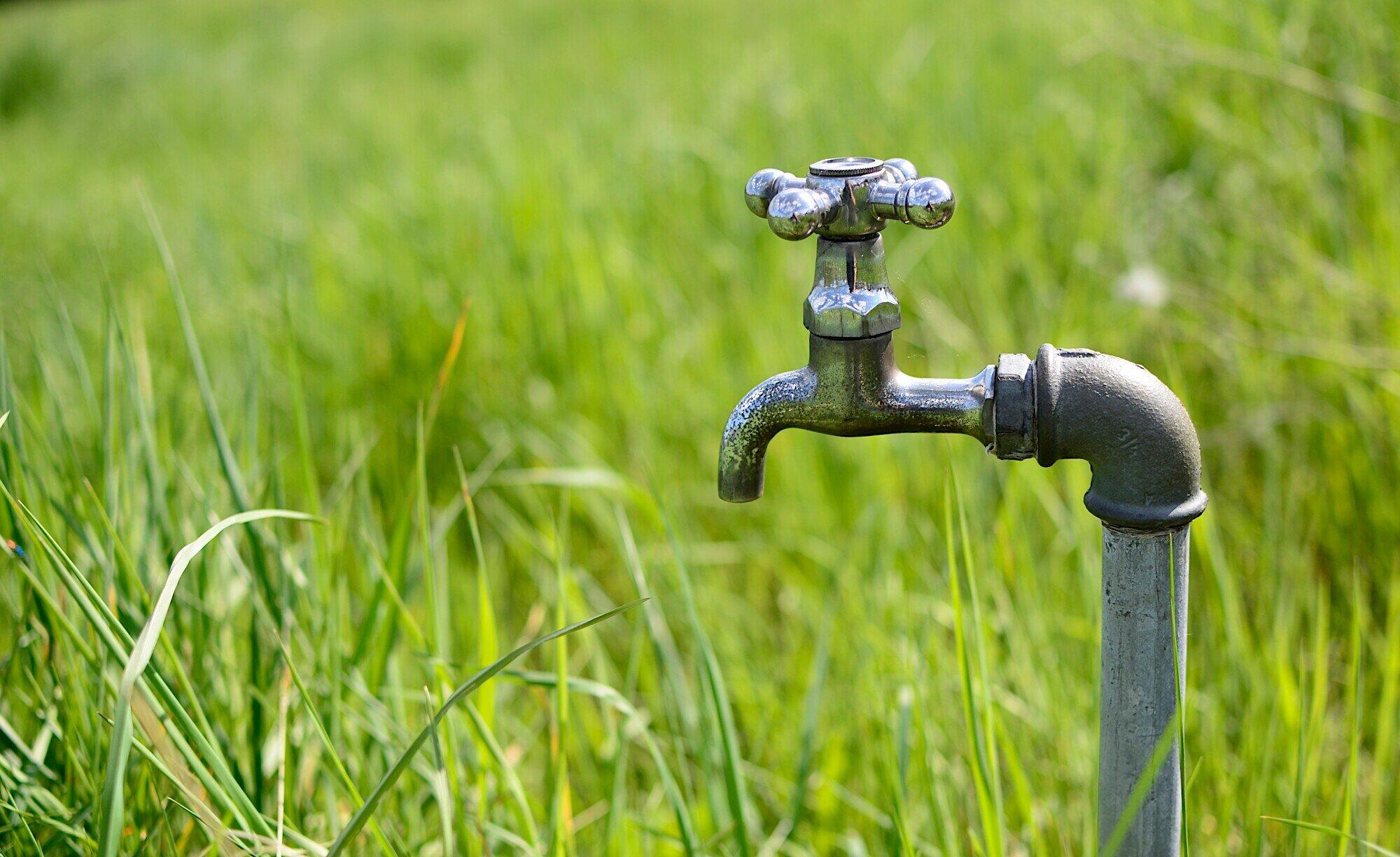
Some of the effects of the permeating drought conditions in the US are agricultural and food supply pressures, and urban water restrictions, leading to infrastructure strains.
Water scarcity is becoming a real problem in 2026 all over the United States, and its negative impact on American communities cannot be emphasized enough. As of Feb 24, 2026, 42.81% of the United States and Puerto Rico, and 51.13% of the lower 48 states are in drought, according to Drought.gov.
This is not a cyclical environmental situation, but has become a dire environmental disaster that must be mitigated; otherwise, thousands, if not millions, of Americans are going to be dealing with food scarcity, contaminated water-related illnesses, and more.
A Widening Drought Footprint
It used to be that only a few parts of the United States suffered from drought conditions, and even that used to be cyclical. In 2026, however, water scarcity effects are being seen across the board, across all states, and across all areas.
Those areas that used to get a lot of rainfall and didn’t experience water shortage are now seeing conditions where rainfall pattern changes are causing a situation where unpredictable rainfall means unreliable water resources.
Extended heat waves are also causing increased evaporation from reservoirs, soils, and rivers, causing water reserves to fall and communities that rely on these water reserves in the dry seasons to suffer.
Agricultural and Food Supply Pressures
One of the biggest consumers of freshwater in the US is the farms or the agricultural industry. Due to drought conditions, they are suffering the most.
Water-intensive crops are increasingly difficult to sustain, forcing shifts in planting strategies and, in some cases, land abandonment. This results in reduced agricultural outputs, which then affects agricultural prices, food supplies, and overall availability of fresh fruits and vegetables for American communities.
Urban Water Restrictions and Infrastructure Strain
Due to reduced water reserves, counties and states are putting up urban water restrictions, either encouraging or requiring houseowners to limit lawn irrigation, reduce household consumption, and adopt water-efficient appliances and sustainable landscaping techniques.
Even as the demand for drinking water, sanitation, and industrial use increases in cities due to urban growth, there isn’t enough water available to sustain these needs.
If you are thinking about what you could do to help your grotty lawn without using a lot more water, contact the Northern Arizona Weed Control team to remove weeds from your lawn using a smarter, proactive approach, so you can be weed-free all year long.
Water Scarcity Is Becoming a Bigger Problem
Every state in the US is suffering from water scarcity in 2026, and that’s why reforms in policies and public awareness campaigns are becoming more crucial. No one should be watering their lawns and plants full-on when there are prevailing drought conditions.
Take steps in your home to set up more sustainable ways of saving and using water, like rainwater harvesting, reusing water from cooking for plants, and more.
If you enjoyed this article, please keep reading through related articles on our website. We also write about Houston, Texas, events, news, and entertainment.


You May Also Like