Why witness videos can matter after a serious motorcycle accident
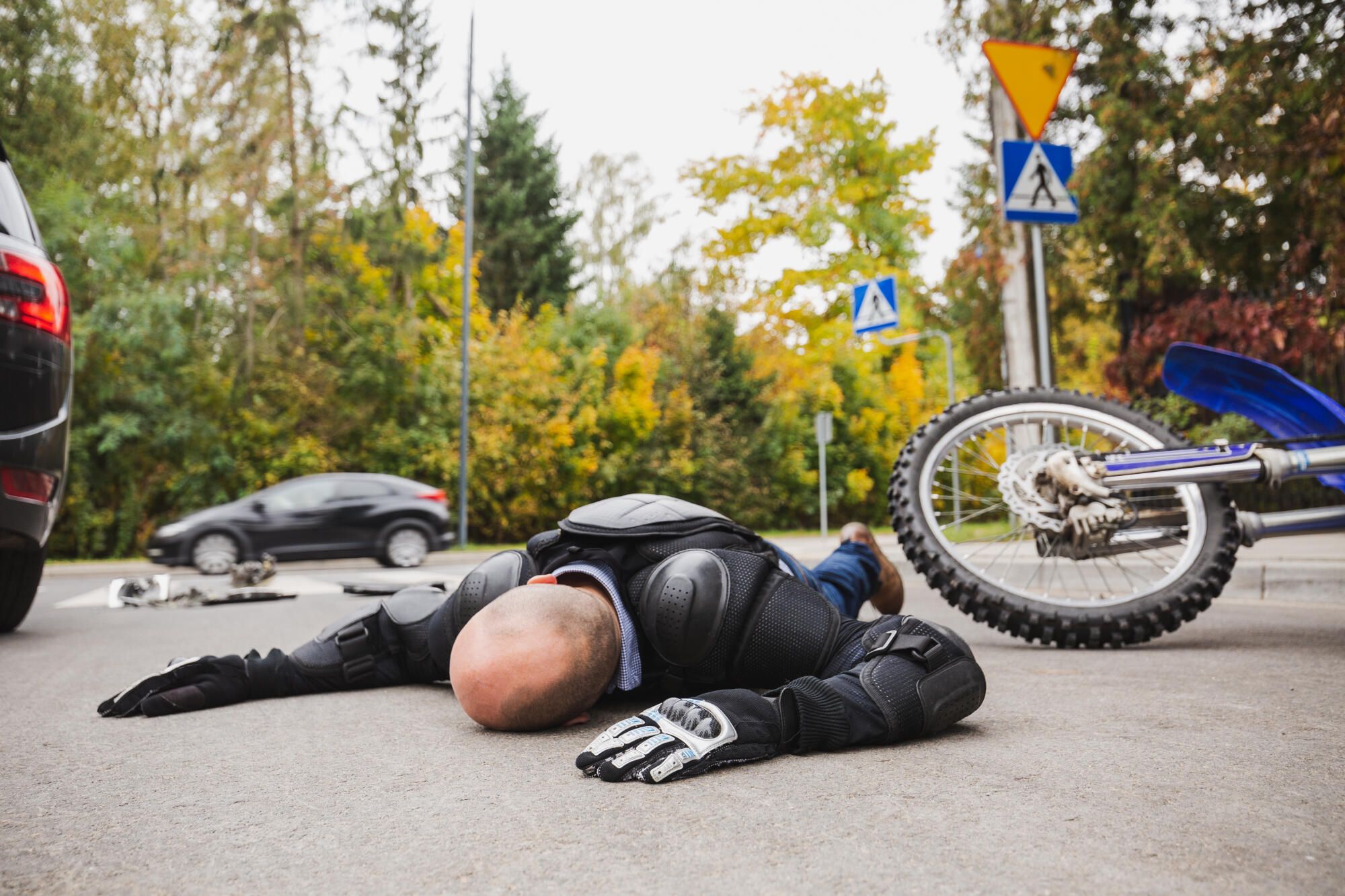
Left-turning drivers cause nearly half of all fatal motorcycle collisions, and riders are often in no condition to describe what happened in the aftermath of a crash. Video from bystanders and nearby cameras frequently decides who pays, though it usually disappears within weeks.
According to the IIHS, crashes where another vehicle turns left in front of an oncoming motorcycle are the most frequent type of fatal two-vehicle motorcycle crash, accounting for 26% of them. It’s also the hardest one to prove because the driver is almost always going to claim the rider came out of nowhere.
Footage from a bystander, a doorbell camera, or a nearby storefront often settles a motorcycle accident dispute because it provides an objective picture of what really happened.
Why Is Fault in a Motorcycle Crash Often Contested?
Fault in a motorcycle crash is often contested, with insurers typically assuming the rider was either speeding or weaving through traffic. Jurors may also carry similar biases into the courtroom. According to the CDC, motorcyclists die at almost 22 times the rate of passenger car occupants per mile traveled, meaning a rider has far less margin for error.
Video evidence showing a left-turning driver crossing an oncoming lane can replace assumptions about rider behavior with a clear and indisputable sequence of events.
Why does the footage matter? Officers arriving at the scene after the fact reconstruct the collision based on:
- Skid marks
- Vehicle positions
- Witness recollections
However, video evidence can be crucial in determining liability. For instance, video can prove:
- Whether a turn signal was on
- How long a driver waited at an intersection
- Why the motorcycle was positioned in the lane before impact
A rider in a motorcycle accident who sustains a major injury might be unconscious or heavily medicated at the scene, so video recordings sometimes offer the only account of the crash from the rider’s perspective.
Comparative Fault in a Motorcycle Accident Complicates Matters
Comparative fault complicates matters. California follows pure comparative negligence, which reduces the plaintiff’s recovery by their share of fault. For example, a rider awarded $1 million for their accident injuries but found 30% responsible will only collect $700,000.
A defense theory that shifts even moderate blame can significantly impact compensation. In Southern California, a San Diego motorcycle accident lawyer can help you find crucial corroborating footage to demonstrate you were not at fault, potentially improving your settlement.
Video Evidence Doesn’t Usually Last That Long
The statute of limitations in California allows riders two years to file a suit, but video evidence doesn’t usually last that long. Generally, cameras facing the street that captured the incident will delete their footage within 72 hours to 30 days. Therefore, it makes sense to work with a qualified attorney to locate and secure footage as quickly as possible.
What Riders Should Take From This
A motorcycle accident case often turns on evidence that exists for days instead of years, so a motorcycle accident claim comes down to evidence gathered in the first week. Acting quickly is what keeps a rider’s version of events in front of a jury.
Browse our other articles for more coverage of the issues affecting drivers and riders in your area.


You May Also Like





