Healthy homes: Why indoor environments are getting more attention
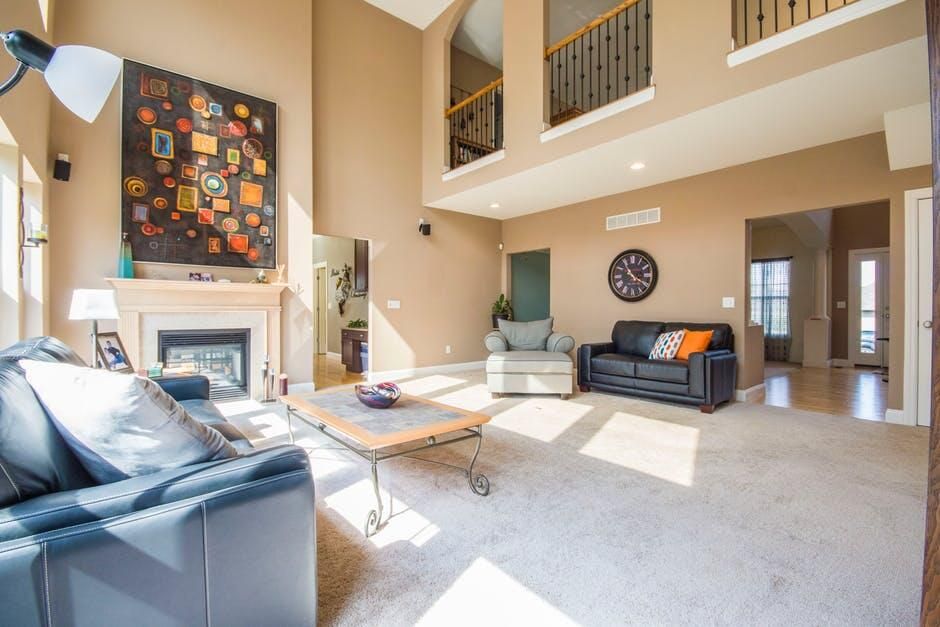
Living in healthy homes can reduce illness risk by reducing exposure to air and surface toxins, while keeping you in touch with nature. Have inspectors check your appliances to avoid carbon monoxide leaks or consider cleaner electrical options, such as induction stoves. Utilize nature by opening windows and installing new ones if you have to, adding indoor plants, and getting your hands dirty with some native gardening.
The National Institute of Environmental Health Sciences reports that people are at greater risk from air pollution indoors than outdoors since people spend 90% of their time inside. Lower risk with exhaust fans when cooking or bathing, open a window on a nice day, and keep your HVAC systems clean and inspected so you’re not always circling dirty air. Slightly adjust your daily home routine to be on your way to healthier living.
How Does Living in Healthy Homes Help People?
Without trip and fall hazards, people can avoid major related injuries, such as hip fractures, particularly in older adults. Being in a clean environment means you’re less likely to attract pests, which can reduce your emotional anxiety and financial costs related to pest control and damage repair.
When you’re not anxious from home problems, your body can relax and get deep restorative sleep. Without proper sleep, other health issues like inflammation, brain fog, and depression can set in.
Avoid irreversible neurological or respiratory damage by ensuring you don’t have exposure to toxic materials such as:
- Lead paint
- Asbestos
- Carbon monoxide leaks
- Radon
Focusing on environmental wellness indoors is good for your lungs as you won’t be breathing in dust, mold, dirt, and other allergens that can trigger asthma and other chronic lung issues.
What Are Some Home Health Improvements to Consider?
Better indoor air quality results from proper ventilation, non-toxic materials, and enhanced air purification systems containing HEPA filters. Schedule professional air duct cleaning services to keep your HVAC systems optimally functioning and circulating clean air.
A home inspection that checks your house from top to bottom for cracks and other vulnerabilities can prevent air leaks and passageways for pests. Transitioning to renewable energy sources and reducing reliance on fuel-burning can start with using electric stoves/ovens and heat pumps.
If your windows are old, consider installing new double-pane ones that provide insulation and are easy to open for fresh air every day. Adding a few houseplants creates a comforting vibe, and some may help with air purifying.
Use outdoor space to plant native gardens, which provide an outdoor activity that also improves mental health. Plus, you can stay healthy by growing your own food at home.
Healthy Living Spaces Are Worth the Effort
Healthy homes make it easy to function and sleep in peace. People spend so much time inside, so your air quality and surfaces should be clean enough for you and your loved ones to live freely.
Add some plants, keep things clean, and get professional inspections as needed to ensure that your home isn’t harboring toxins and providing a haven for nasty creatures to take up shop.
Learn more about home improvement tactics by checking out other articles on our website.


You May Also Like