More Stations Offer E15 Fuel as Drivers Balance Price Savings, Mileage
In Houston, drivers have started noticing something that feels small at first—but adds up quickly: they’re stopping for gas more often than they used to.
At stations across the city, people are comparing notes. Some say their tanks seem to empty faster, even though their routines haven’t changed much. Same commute, same errands, same highways. So what’s different?
One answer getting attention is the growing use of E15 gasoline, a fuel blend made of 85% traditional gasoline and 15% ethanol. The U.S. Environmental Protection Agency has again approved expanded summer sales of E15 in an effort to increase fuel supply and help keep prices lower at the pump. In many places, it’s sold under names like Unleaded 88 and is usually a few cents cheaper per gallon than regular gas.
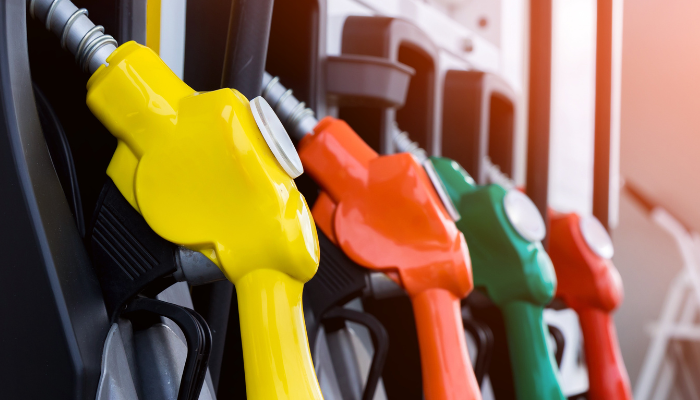
That lower price is what draws many drivers in—but experts point out there’s a tradeoff. Ethanol contains less energy than pure gasoline, which means vehicles may get slightly lower fuel economy when running on E15. For most modern cars, SUVs, and light trucks made in 2001 or later, E15 is considered safe to use. However, it is not approved for motorcycles, boats, lawn equipment, or older vehicles.
For some drivers, the difference is barely noticeable. For others, it may mean an extra stop at the gas station over time. Experts suggest tracking fuel usage over several fill-ups, keeping tires properly inflated, and maintaining vehicles regularly before deciding whether the blend is affecting mileage.
In the end, the savings at the pump and the miles per tank may not always tell the same story.


You May Also Like