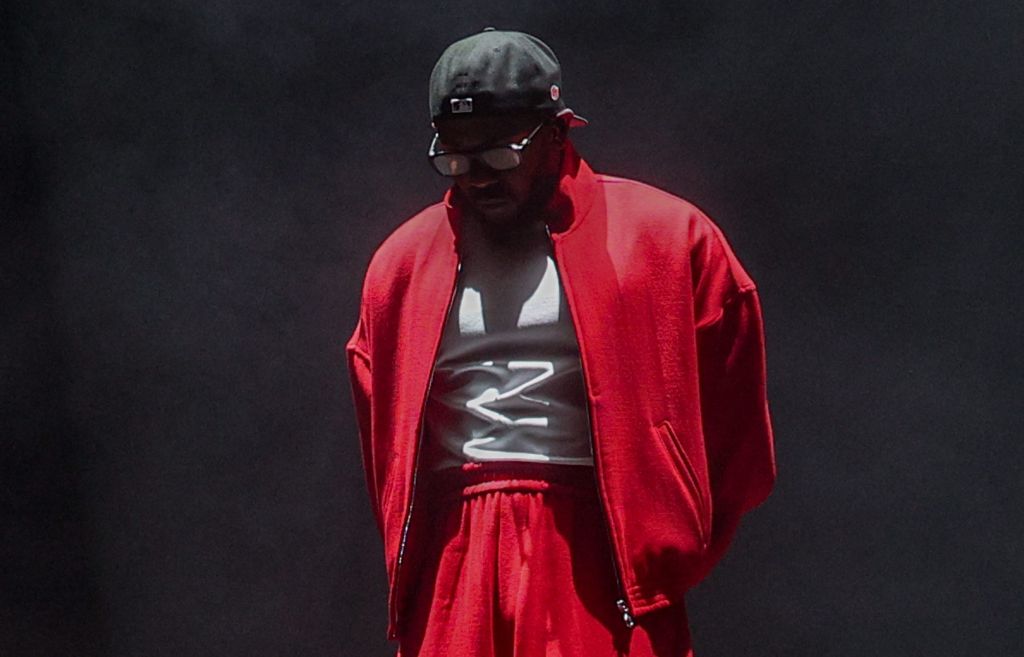
There are albums that give you hits. There are albums that define a year. And then there are albums that become part of your life and grow with you as you change. For me, good kid, m.A.A.d city is one of those albums. On Kendrick Lamar’s birthday, I didn’t want to just celebrate another great rapper — I wanted to celebrate one of my favorite albums of all time and what I honestly believe is one of the greatest hip-hop albums released during my lifetime. This album didn’t just introduce Kendrick Lamar as a star. It introduced him as a storyteller in a way that changed rap forever. At its core, good kid, m.A.A.d city tells one of the most familiar stories in hip-hop: the story of a good kid trying to survive and find himself in an environment designed to pull him in every direction. Whether you grew up in Compton, Houston, Providence, Seattle or anywhere else, we all know somebody who was a good kid in a mad city. That idea alone makes this album timeless.
What makes this album special though is that Kendrick didn’t just tell us the story — he built the world around it. Listening to good kid, m.A.A.d city front to back feels cinematic. It feels like watching a movie. The skits connect moments together. The conversations in the background make you feel present. Even something as simple as hearing family voices, friends talking or everyday moments like somebody asking for the van turns the album into an experience instead of a playlist. Albums don’t really do that anymore. We don’t get as many skits. We don’t get as many artists building complete worlds and trusting listeners to sit with the journey. Kendrick did that effortlessly. The production remains incredible, the writing still feels fresh and every time I revisit the album I catch something I didn’t notice before.
And then there’s the music itself. Front to back this album is stacked. You’ve got records that became cultural moments like “Bitch, Don’t Kill My Vibe,” “Poetic Justice” with Drake, “Swimming Pools (Drank)” and of course “m.A.A.d city,” which still sounds explosive today. But honestly, some of my favorite moments live outside the singles. “Backseat Freestyle” still feels reckless and fun in the best way. “Money Trees” featuring Jay Rock might be one of the greatest rap songs of that era and every time it comes on I remember exactly why people lost their minds over Kendrick. Even records like “Real” featuring Anna Wise feel more important with time because they help complete the story. There’s intention everywhere.
What’s wild is that despite how beloved this album became, it didn’t walk away with the Grammy wins people expected at the time. But history has a funny way of correcting itself. Because looking back now, good kid, m.A.A.d city didn’t need awards to prove what it was. This album launched Kendrick Lamar into becoming one of the defining artists of our generation and created a blueprint for concept albums in modern rap. More importantly for me personally, it’s one of those albums that has aged alongside me. I heard it as a young adult and understood one thing. I hear it now and understand something completely different. That’s how you know art is special.
So happy birthday to Kendrick Lamar and thank you for giving us one of the greatest hip-hop albums ever made. If somebody asks me what real hip-hop sounds like, there’s a very good chance I’m pressing play on good kid, m.A.A.d city. Bennett Knows.